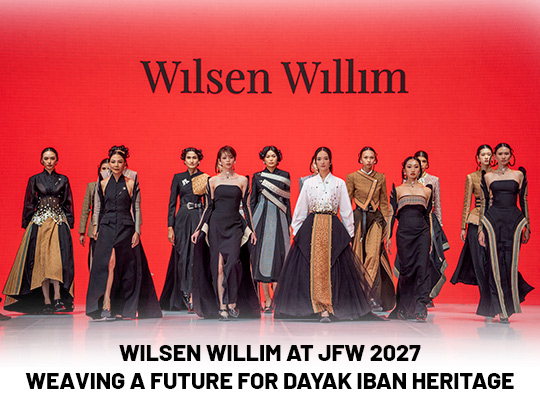

WILSEN WILLIM AT JFW 2027: WEAVING A FUTURE FOR DAYAK IBAN HERITAGE


Published by Sugar & Cream, Thursday 26 November 2026
Images courtesy of Wilsen Willim
An endangered weaving tradition and a renewed call to protect its cultural roots.
What remains when nature disappears? At Jakarta Fashion Week 2027, Wilsen Willim turns an endangered Dayak Iban weaving tradition into a compelling statement on cultural preservation, environmental responsibility and the future of Indonesian craftsmanship.
Presented by Interni Cipta Selaras
What happens when a traditional craft loses the hands that keep it alive? And what becomes of a cultural legacy when the natural environment sustaining it is destroyed?
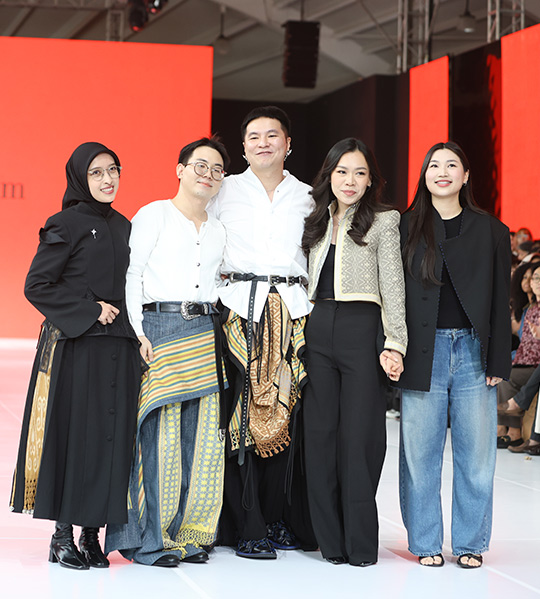
These are the questions at the heart of Wilsen Willim’s latest presentation at Jakarta Fashion Week 2027. Presented in collaboration with Cita Tenun Indonesia (CTI) and supported by Yayasan Kawan Lama through its Aram Berkelala Tenun Iban programme, the collection goes beyond the aesthetics of fashion to address a much larger concern: the fragile relationship between cultural heritage and the natural world.
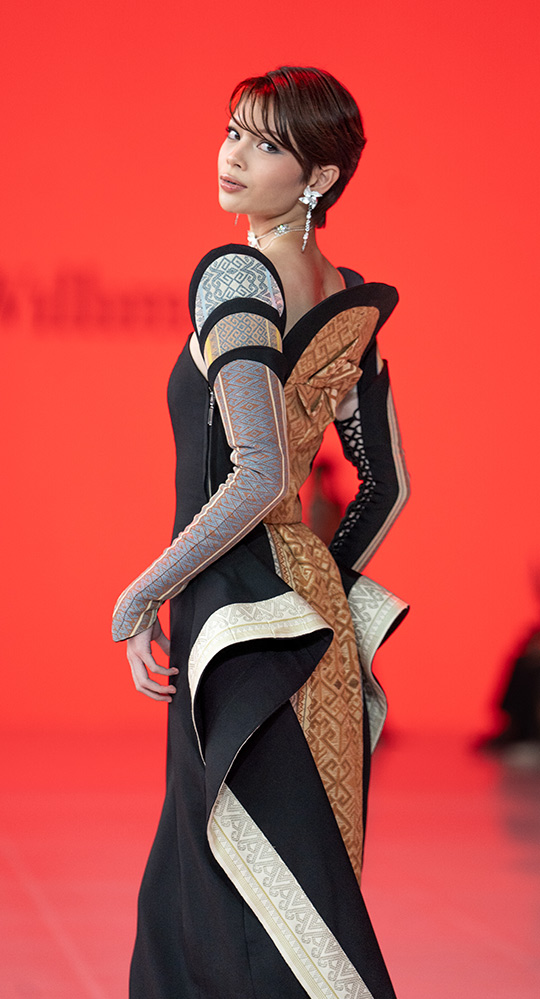
Returning for his second year of exploring Dayak Iban textiles from Lauk Rugun, Kapuas Hulu, West Kalimantan, Wilsen takes the collaboration a step further. While his previous presentation focused on the Sidan weaving technique, this season introduces Tenun Pileh, an exceptionally intricate and increasingly endangered technique mastered by only three senior weavers within the CTI-supported community. Its complexity and the time required to execute it make the preservation of this ancestral knowledge all the more urgent.
For Wilsen, this is no longer simply a creative exploration of traditional textiles. Following several journeys along the Kapuas River, meeting and working alongside the weavers, he has developed a personal connection with the community. Witnessing environmental destruction and its direct impact on their lives has given the project a deeper sense of purpose.
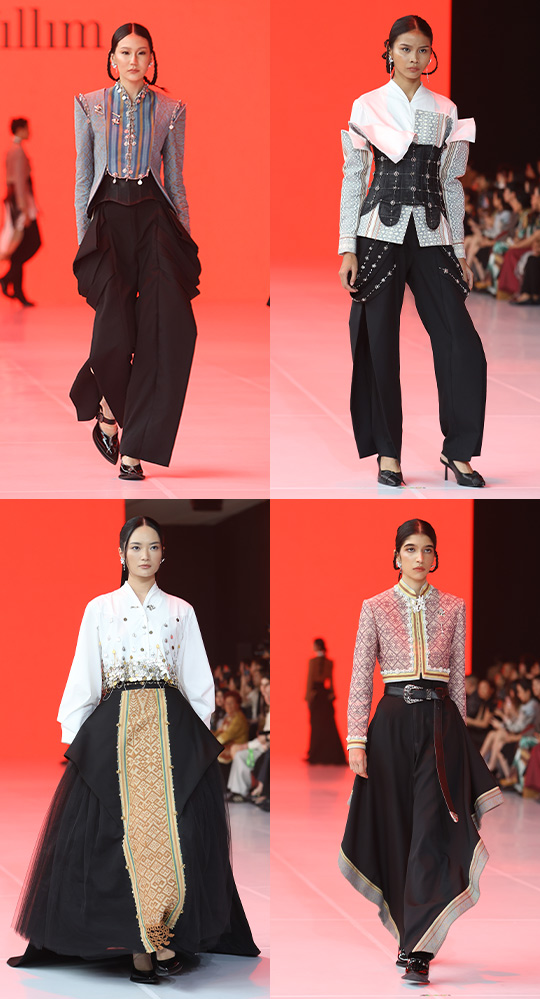
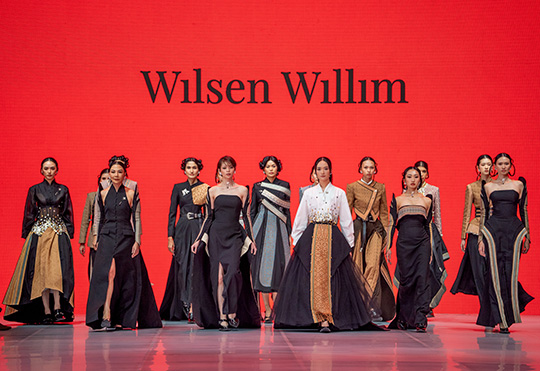
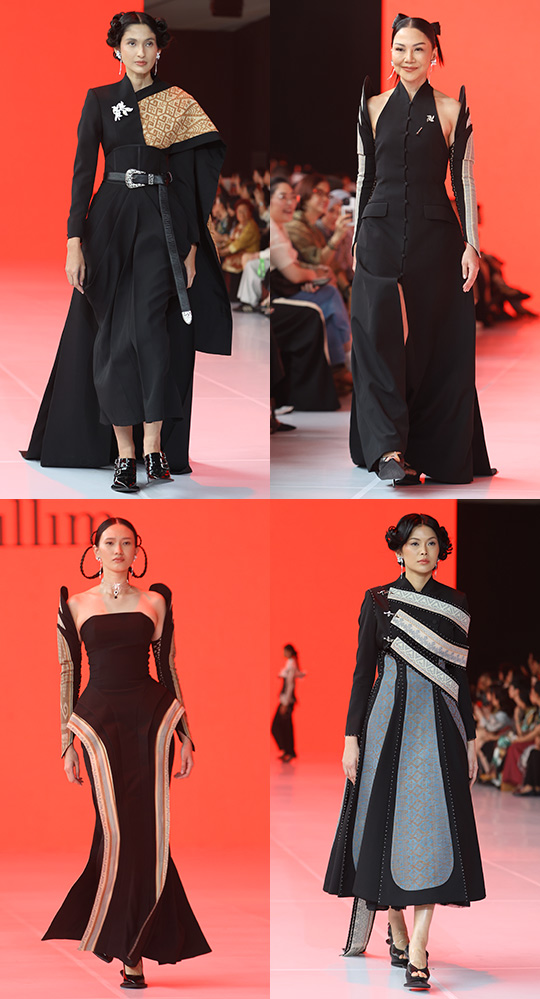
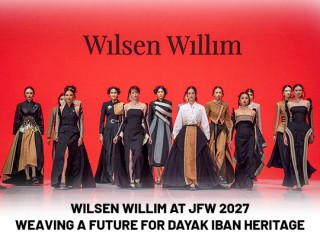
The resulting collection comprises 15 womenswear looks, translating the heritage textile into contemporary silhouettes ranging from skirts, trousers, shirts and jackets to aprons and corsets. Traditional Dayak Iban weaving is thoughtfully combined with cotton, suiting fabrics, tulle and denim, allowing the textiles to retain their distinctive character while finding new expressions in modern fashion. A restrained palette of black, white, brown and grey provides a considered counterpoint to the natural-pigment colours derived from the forests and rivers surrounding the weaving community.
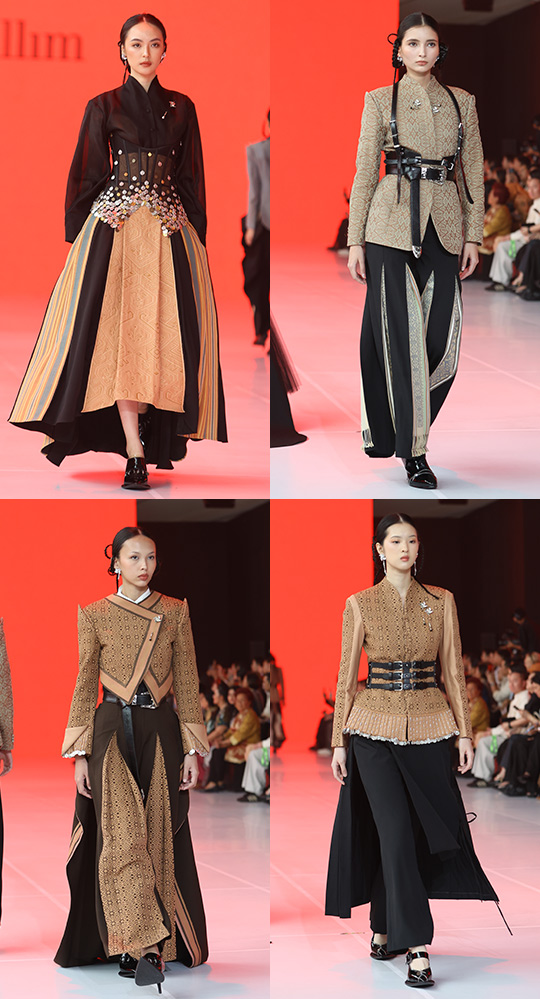
Yet the most compelling narrative lies beyond the clothes themselves. The survival of Dayak Iban weaving is intrinsically connected to the health of its environment. The forests and rivers provide not only the natural resources for traditional dyes but also the foundation of a community’s cultural identity and livelihood. When nature is damaged, the consequences extend far beyond ecological loss: traditional knowledge, craftsmanship and generations of cultural continuity are placed at risk.
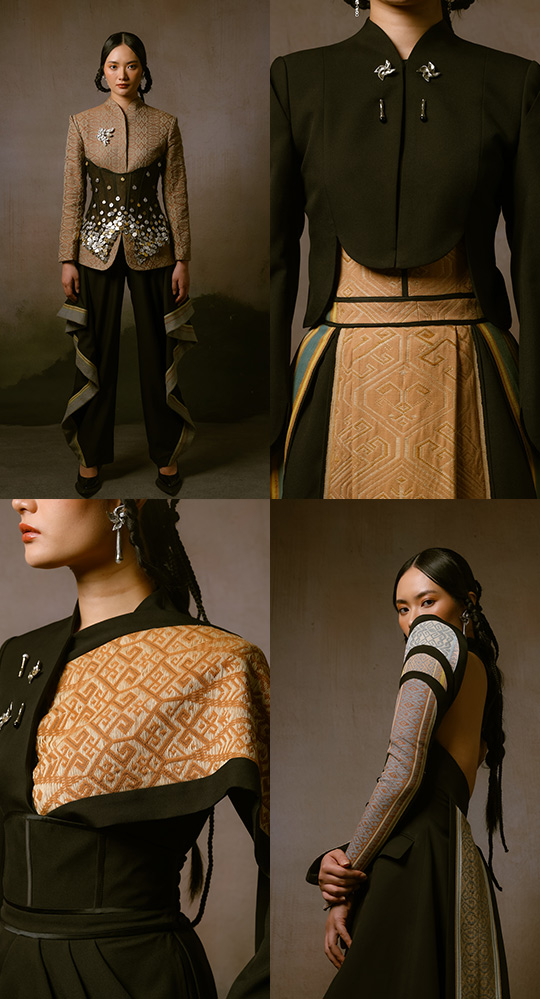
For Wilsen, presenting a fashion collection amid the country’s challenging circumstances was not an easy decision. He nevertheless saw Jakarta Fashion Week as a significant platform to amplify the concerns of the West Kalimantan weavers, whose lives have been affected by environmental destruction. With the support of CTI and Yayasan Kawan Lama, the runway became an opportunity to give their story a wider audience.
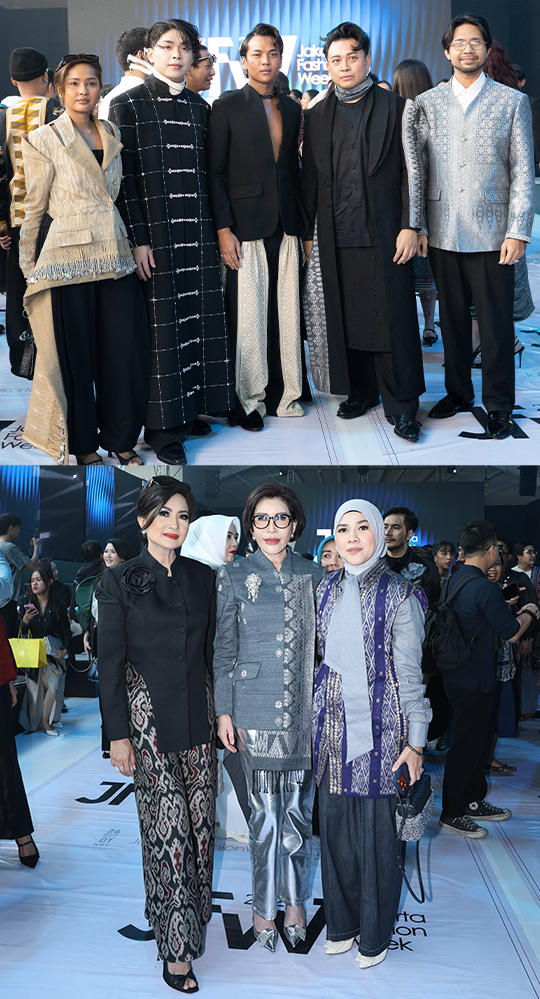
Importantly, his presentation delivers a message: humanity is part of nature, not separate from it. Preserving a textile means protecting its makers, their heritage and the nature that sustains it. When nature disappears, an entire cultural legacy is at risk.
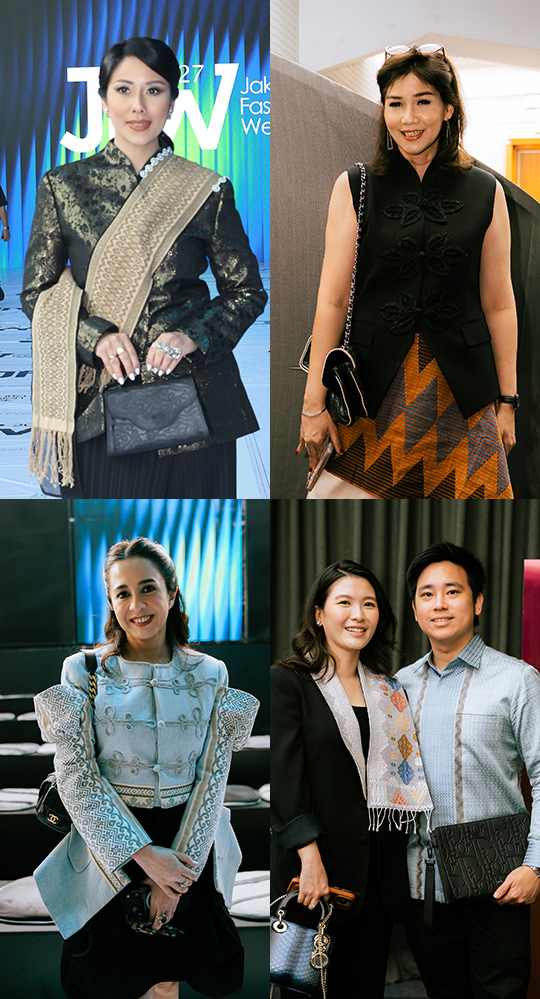
 32
26/11/2026
WILSEN WILLIM AT JFW 2027: WEAVING A FUTURE FOR DAYAK IBAN HERITAGE
At JFW27, Wilsen Willim presents 15 compelling looks featuring the endangered Dayak Iban Tenun Pileh, transforming the runway into a powerful statement on...
read more 34
26/11/2026
A CLOSER LOOK AT TUMI'S NEW PLAZA INDONESIA BOUTIQUE
TUMI brings its largest premium concept store in Indonesia to Plaza Indonesia, making room for more stylish ways to travel.
read more
 17.91K
04/11/2026
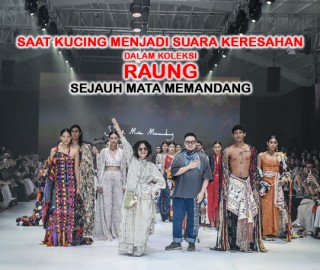
SAAT KUCING MENJADI SUARA KERESAHAN DALAM KOLEKSI "RAUNG" SEJAUH MATA MEMANDANG
Ada kucing, ada cerita, ada raungan! Sejauh Mata Memandang membawa RAUNG ke Jakarta Fashion Week 2027.
read more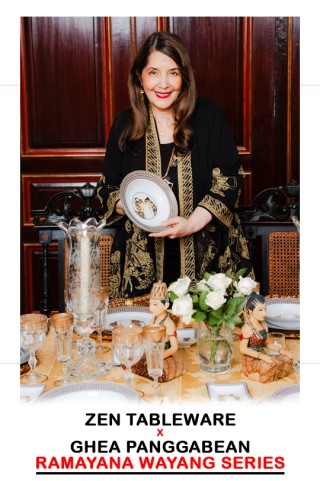 10.90K
06/11/2026
ZEN TABLEWARE X GHEA PANGGABEAN: RAMAYANA WAYANG SERIES
ZEN Tableware and Indonesian fashion designer Ghea Panggabean unveil the Heritage Ramayana Wayang Series, a fine porcelain collection defined by...
read more

 222.64K
11/12/2024
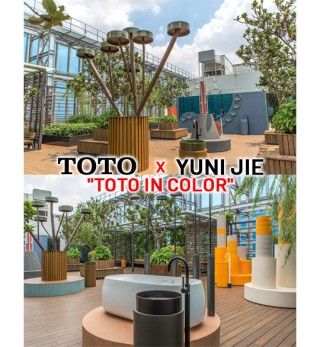
TOTO X YUNI JIE: "TOTO in Color"
TOTO x Yuni Jie launches 'TOTO in Color', featuring an outdoor art installation and a sculpture garden inspired by Indonesia's heritage.
read more 107.64K
10/01/2025
W RESIDENCE IN SOUTH JAKARTA BY MICHAEL CHANDRA
Michael Chandra, founder of MNCO Studio Design has created the W Residence with an aesthetically pleasing, practical, and pleasant home from all...
read more


Related Articles
 1.49K
19/11/2026
A NEW FASHION IDENTITY: TENUN CUAL BY PRIYO OCTAVIANO
Discover how Priyo Octaviano reimagines Tenun Cual through a fresh fashion identity, where tradition meets contemporary tailoring and royal opulence.
read more 3.38K
18/11/2026
THE COLOUR: PURPLE — WHEN COLOUR BECOMES A MEMORY
At JFW 2027, The Colour: Purple by Tanah le Saé translates love, friendship and human connection into expressive silhouettes, artisanal craftsmanship and...
read more