
EUGENIO LAPONTE PRESENTS PRAGMA THROUGH MEDULLA AT MILAN DESIGN WEEK 2026


Published by Sugar & Cream, Tuesday 12 May 2026
Images courtesy of EUTOPIARCH
Objects As Actions
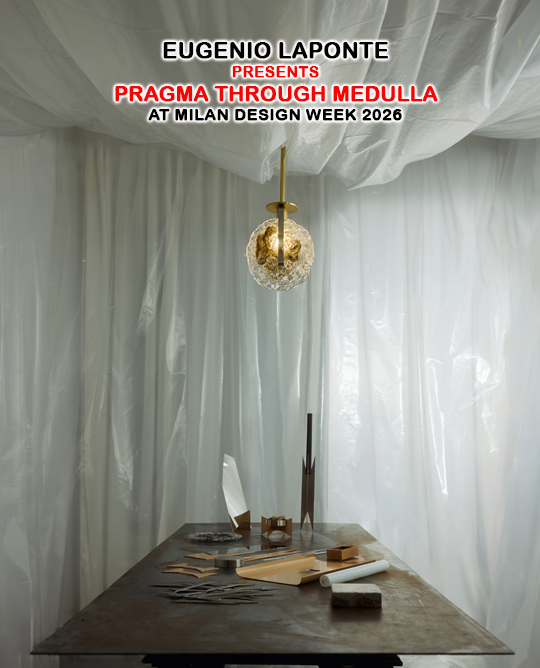
Architect and designer Eugenio Laponte—founder of EUTOPIARCH—works across interior architecture and collectible design through a practice shaped by concept, process, and material clarity. At Milan Design Week 2026, he introduces PRAGMA, his debut collectible design collection, presented through MEDULLA, an immersive exhibition marking its first public unveiling.
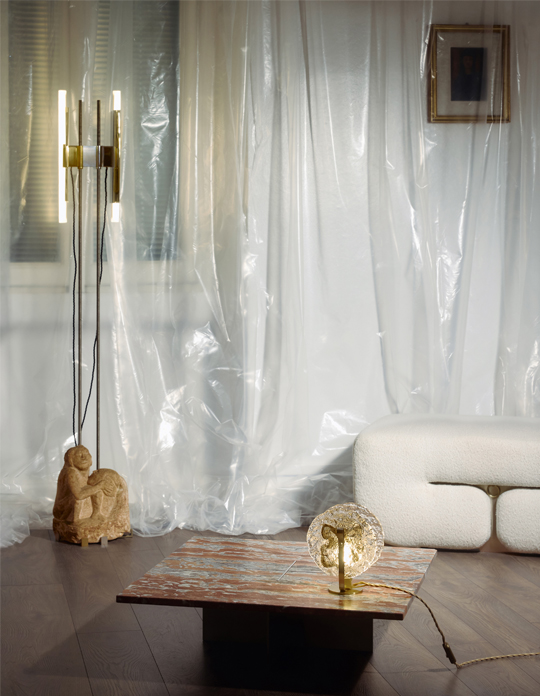
Rather than approaching objects as purely functional outcomes, PRAGMA is conceived as a system of actions—where form emerges from symbolic logic, numerical structures, and conceptual narratives. Rooted in the Greek meaning of “action” or “concrete fact”, the collection reframes design as something to be experienced physically and consciously—where use is never neutral, but asks for attention, posture, and awareness.
This position traces back to Laponte’s early encounter with Le Corbusier’s Convent of La Tourette, where architecture resists comfort in favor of concentration—an influence that carries through PRAGMA, where objects are designed not for ease, but to heighten perception and slow each gesture into intention.
Conceived as both exhibition and environment, MEDULLA unfolds as a spatial narrative—an atmosphere where objects are presented in isolation, allowing their structure, references, and construction to emerge with clarity, as abstract thought condenses into physical form.
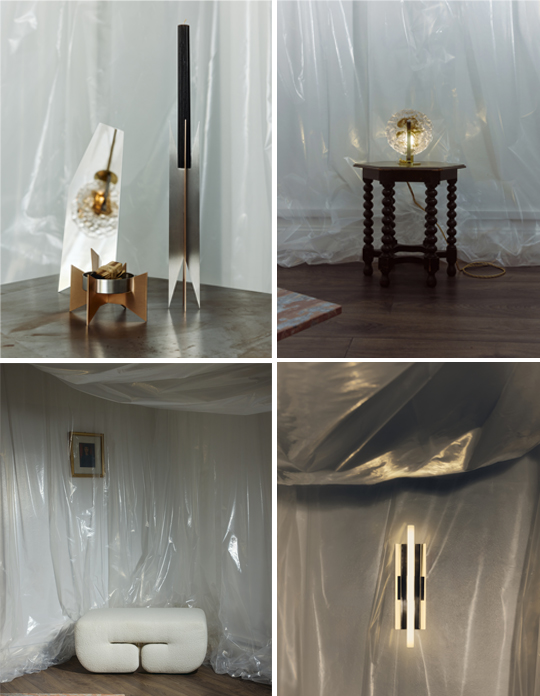
Within this framework, the works unfold as symbolic structures—each piece articulating a distinct conceptual position while remaining grounded in a shared language of material clarity and construction.
Golgotha
A low table that requires the body to bend in use, transforming function into a gesture of reverence. Its proportions follow the number three, referencing the Trinity—where dimension, posture, and meaning become inseparable.
Presented by Magran Living
Innesti
From the Italian for “grafting”, each piece is composed of interlocking metal elements that merge into a new, unified form—retaining traces of their origins while becoming something entirely autonomous.
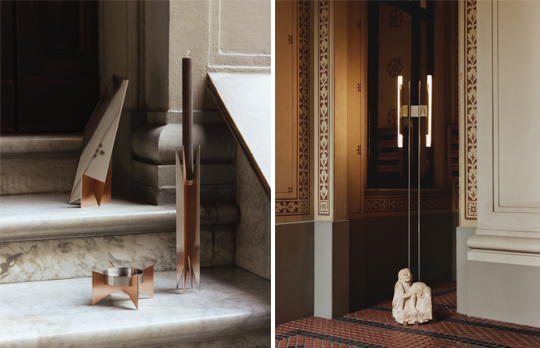
Innesti | Giano
Ionica
A reinterpretation of classical architecture through a contemporary, almost casual lens—where antiquity is no longer monumental, but lived, reimagined, and physically present.
“We are dwarfs sitting on the shoulders of giants.” — Bernard of Chartres —
Stele
A modular series of wall lamps inspired by ancient stone slabs used as surfaces for inscription and memory. Interchangeable materials and finishes allow each piece to function as both object and personal statement.
Giano
A lighting installation referencing Janus, the god of transitions. Two interconnected Stele elements emit light in opposite directions, sliding along a shared structure—suggesting time as a continuous present, never divided.
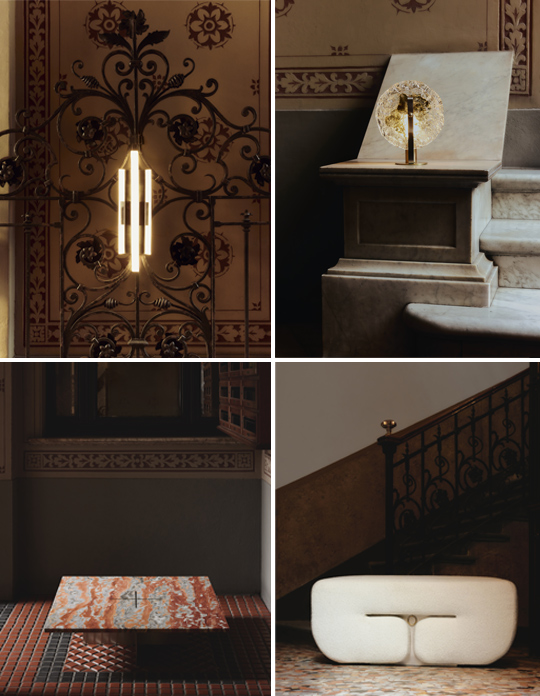
Stele | Argo | Golgotha | Ionica
Argo
A poetic reconstruction of myth through material. Using recovered Murano glass discs, the piece forms a limited series of lamps that evoke the many eyes of Argus—transformed into light, suspended between memory and reinvention.
“One single night closes a hundred eyes.” — Ovid, Metamorphoses —
At its core, PRAGMA reflects the broader philosophy of EUTOPIARCH—a continuous movement from utopia, the conceptual dimension, to pragma, the concrete act, where architecture, interiors, and objects are approached as one evolving field shaped through making. Within this trajectory, it finds its most tangible expression: objects not simply designed to exist, but to be engaged with—physically, intellectually, and slowly. In MEDULLA, this position is distilled into a quiet proposition, where design unfolds through use, perception, and the awareness of how the body meets the object.
 1.74K
09/10/2026
1.74K
09/10/2026
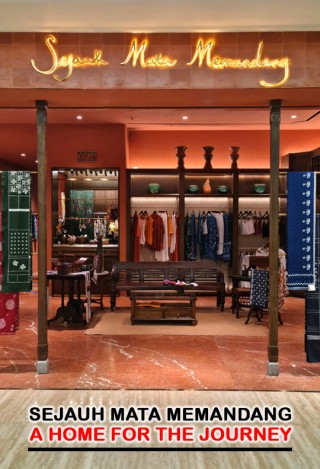
SEJAUH MATA MEMANDANG: A HOME FOR THE JOURNEY
Toko Sejauh opens its doors at Plaza Indonesia—Sejauh Mata Memandang’s first permanent boutique and a new chapter for Indonesian conscious fashion.
read more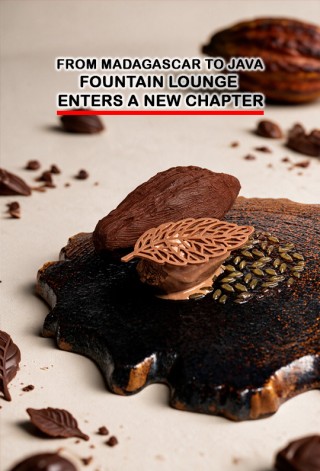 5.32K
09/10/2026
5.32K
09/10/2026
FROM MADAGASCAR TO JAVA: FOUNTAIN LOUNGE ENTERS A NEW CHAPTER
A new chapter at The Fountain Lounge, Grand Hyatt Jakarta where premium teas meet contemporary patisserie and the rich intensity of Guanaja.
read more

 13.07K
24/09/2026
13.07K
24/09/2026
LOUIS VUITTON X SINGER TAKES TO THE ROAD: WHEN THE ART OF TRAVEL BECOMES A PORSCHE 911
Louis Vuitton and Singer Vehicle Design turn two Porsche 911s into moving expressions of craftsmanship, travel and contemporary luxury.
read more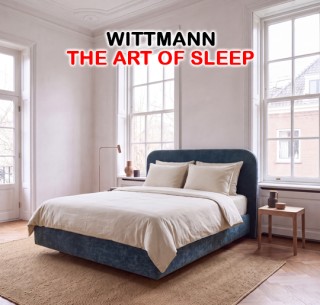 12.82K
24/09/2026
12.82K
24/09/2026
WITTMANN: THE ART OF SLEEP
Wittmann’s The Art of Sleep brings artisanal craft, bespoke design and personalised comfort together to create a private sanctuary, where every detail...
read more

 177.18K
11/12/2024
177.18K
11/12/2024
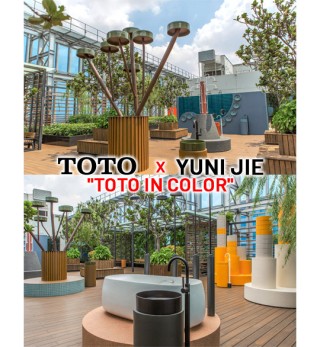
TOTO X YUNI JIE: "TOTO in Color"
TOTO x Yuni Jie launches 'TOTO in Color', featuring an outdoor art installation and a sculpture garden inspired by Indonesia's heritage.
read more 107.24K
10/01/2025
107.24K
10/01/2025
W RESIDENCE IN SOUTH JAKARTA BY MICHAEL CHANDRA
Michael Chandra, founder of MNCO Studio Design has created the W Residence with an aesthetically pleasing, practical, and pleasant home from all...
read more

Related Articles
 7.31K
08/10/2026
7.31K
08/10/2026
BUTTONSCARVES BEAUTY REIMAGINES ITS SIGNATURE EAU DE PARFUM
Five years after its debut, Buttonscarves Beauty refreshes its signature Eau de Parfum with a more defined identity while keeping the scents that made the...
read more 2.99K
06/10/2026
2.99K
06/10/2026
BUCCELLATI’S SILVERWARE TAKES A PLAYFUL TWIST
Buccellati’s celebrated silverware collections meet nature in a playful visual narrative, revealing a timeless approach to Art de la Table.
read more